In short
- Every dish has two numbers: popularity and cash margin. Crossing them gives four very different decisions.
- Percentage margin misleads — make decisions on margin in złoty per portion.
- In an online menu, order and photos drive sales; the boxes and highlights that work in print do not.
- Review the menu quarterly. Dish popularity shifts faster than most owners expect.
Menu engineering sounds like corporate jargon, but it comes down to one question: which dishes earn money and which just take up space. Answering it requires two numbers per item.
The two numbers you start with
- Popularity — how many times the item sold in the last 90 days, as a percentage of all dishes ordered.
- Cash margin — price minus ingredient cost, in złoty per portion. Not a percentage.
Four categories, four different decisions
| Category | Popularity | Margin | What to do |
|---|---|---|---|
| Stars | high | high | Top of the menu, best photo, do not touch the recipe |
| Plowhorses | high | low | Raise the price by 1–2 PLN or cut the portion cost |
| Puzzles | low | high | Change the name, description and position — or remove it |
| Dogs | low | low | Take them off the menu without regret |
The biggest money is usually sitting in the plowhorses. On an item that sells 400 times a month, a 2 PLN price increase is 800 PLN of pure margin — and customers barely notice it if the new price lands sensibly.
Online menus follow different rules
Classic menu engineering was built for print, where the eye roams the whole page. In an online menu the customer scrolls a phone top to bottom and sees one or two items at a time. The consequences are concrete:
- Order is your strongest tool. The first three items in a category collect a disproportionate share of orders. Put stars there, not the low-margin “classics”.
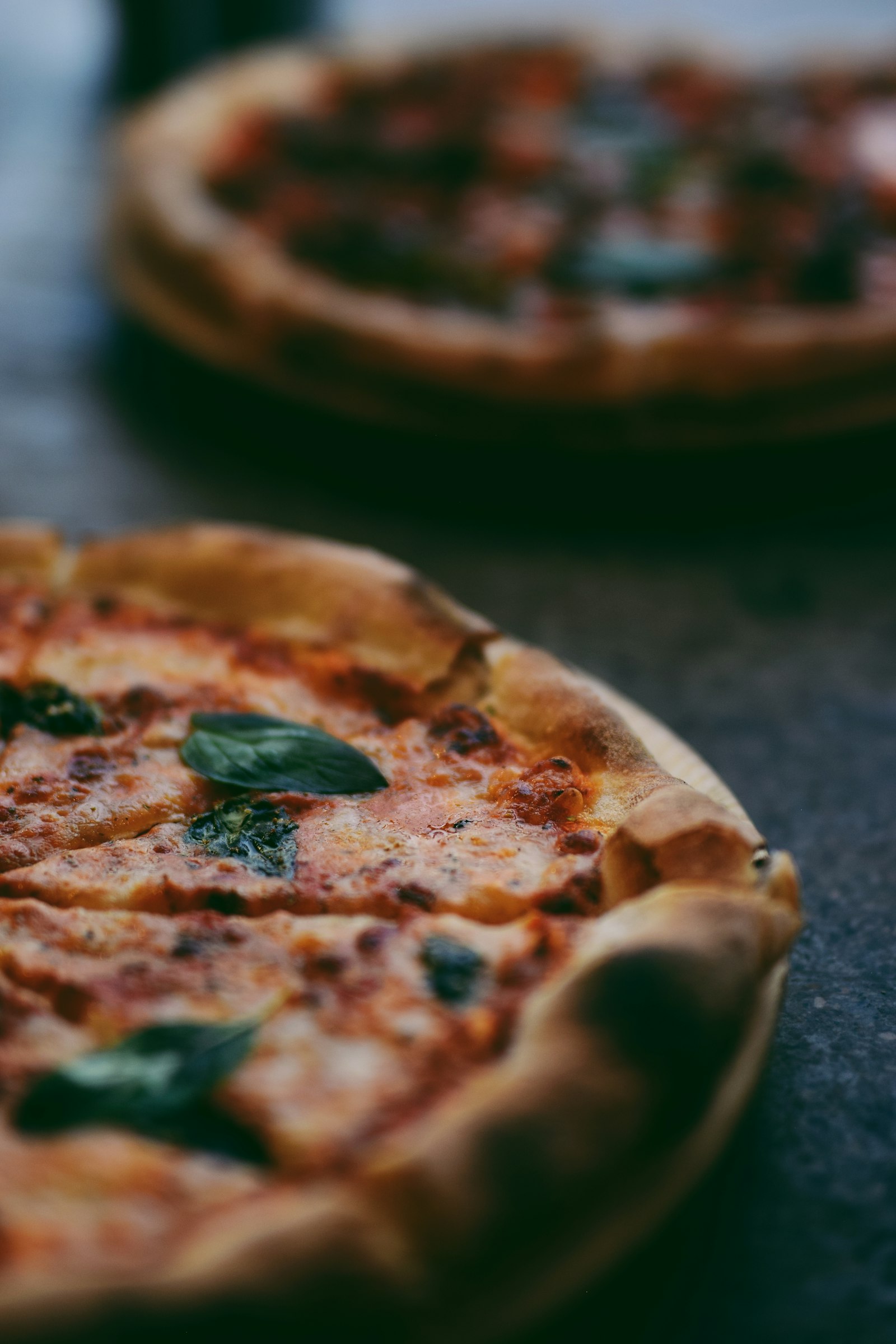
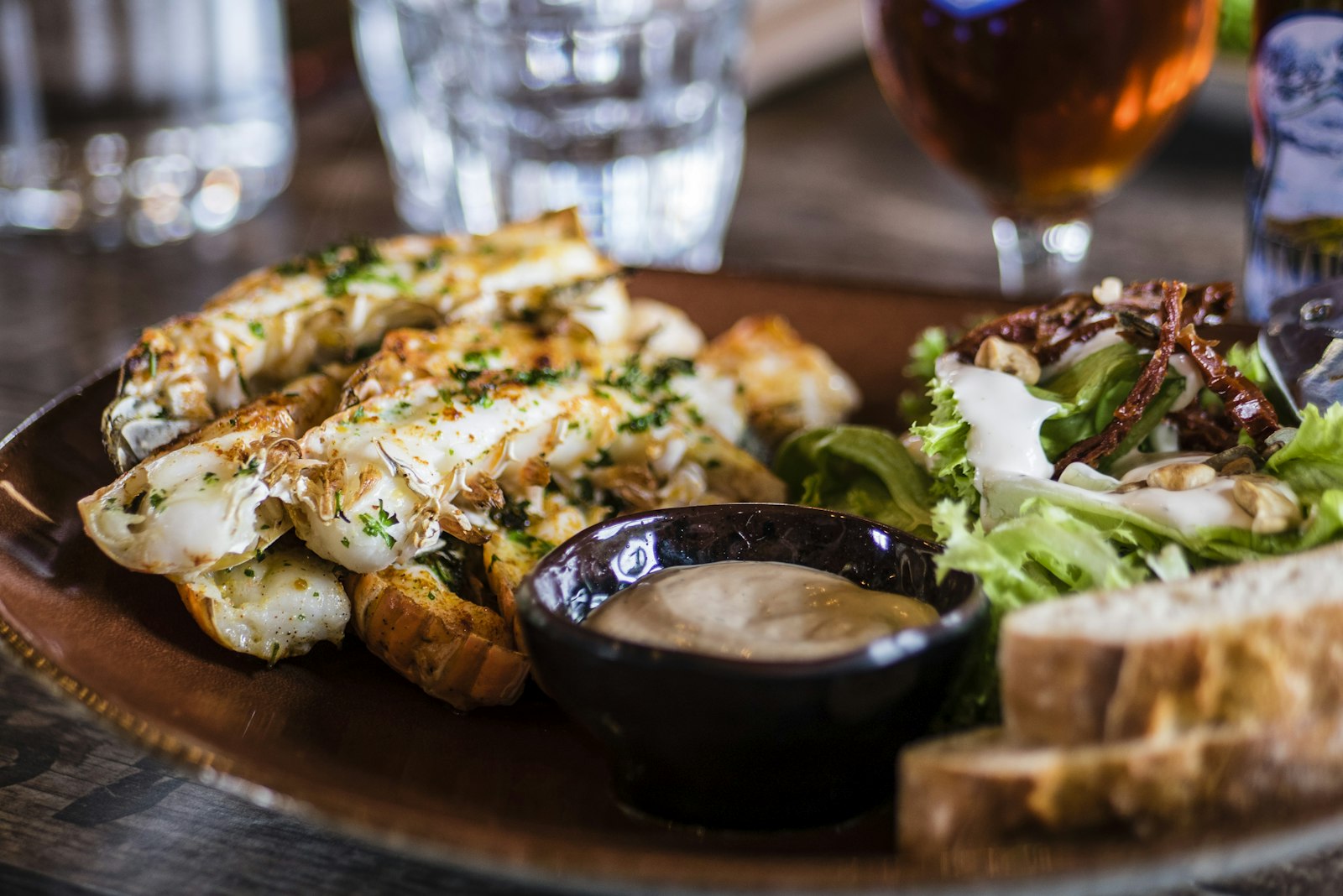
- A photo outperforms any description. An item without a photo in a list of photographed items looks like a mistake and sells noticeably worse.
- Keep categories short. Past 8–10 items in a section, customers stop choosing and fall back on what they know. A shorter menu means a higher basket and a faster kitchen.
- Modifiers instead of variants. Rather than three separate items with different toppings — one item and a list of add-ons. Simpler menu, bigger basket.
- Descriptions are ingredients, not poetry. Two lines of specifics sell better than a paragraph about passion and tradition.
Pricing: a few things that work
- Drop the currency symbol next to the number where the layout allows — “48” reads lighter than “48 PLN”.
- No .99 endings. In hospitality they signal cheap food. Whole złoty or endings in 0/5 look better.
- An anchor at the top. One pricier item at the start of a section makes the rest feel reasonable.
- Prices on the same line as the name, not in a right-aligned column — a column invites comparison on price alone.
A menu is not a list of what you can cook. It is a sales tool that happens to take the shape of a list of dishes.
A working rhythm for your menu
- 1
Once a quarter: an item sales report
Export the last 90 days of sales and calculate popularity and cash margin for every item.
- 2
Assign categories
The four groups from the table above. Mark every item, with no exceptions for sentimental dishes.
- 3
Make at most five changes
More changes at once make it impossible to tell what worked. Five changes, one quarter, one conclusion.
- 4
Compare the next quarter
Look at average basket and margin per order, not at order count alone.
A menu that shows you what earns
In the Dinevo dashboard you see sales and margin for every item, and you reorder the menu by dragging.
See a demoFrequently asked questions
Does a shorter menu really increase sales?
Usually yes. Fewer items mean faster decisions, fewer abandoned baskets, less kitchen waste and shorter prep times. Start by removing the bottom quartile of your sales list.
What about a dish the chef loves and nobody orders?
First treat it as a puzzle: new name, better description, a photo, a higher position in its category. If it still does not sell after a quarter, take it off the menu and bring it back as a daily special.
How often can I raise prices?
Once or twice a year, a few items at a time, based on real ingredient costs. A single across-the-board increase gets noticed far more than several adjustments spread over time.

About the author
Jan Korczyński
CEO & Founder, Dinevo
Ex-Google, UX and AI expert. Breaks down costs and margins in hospitality.